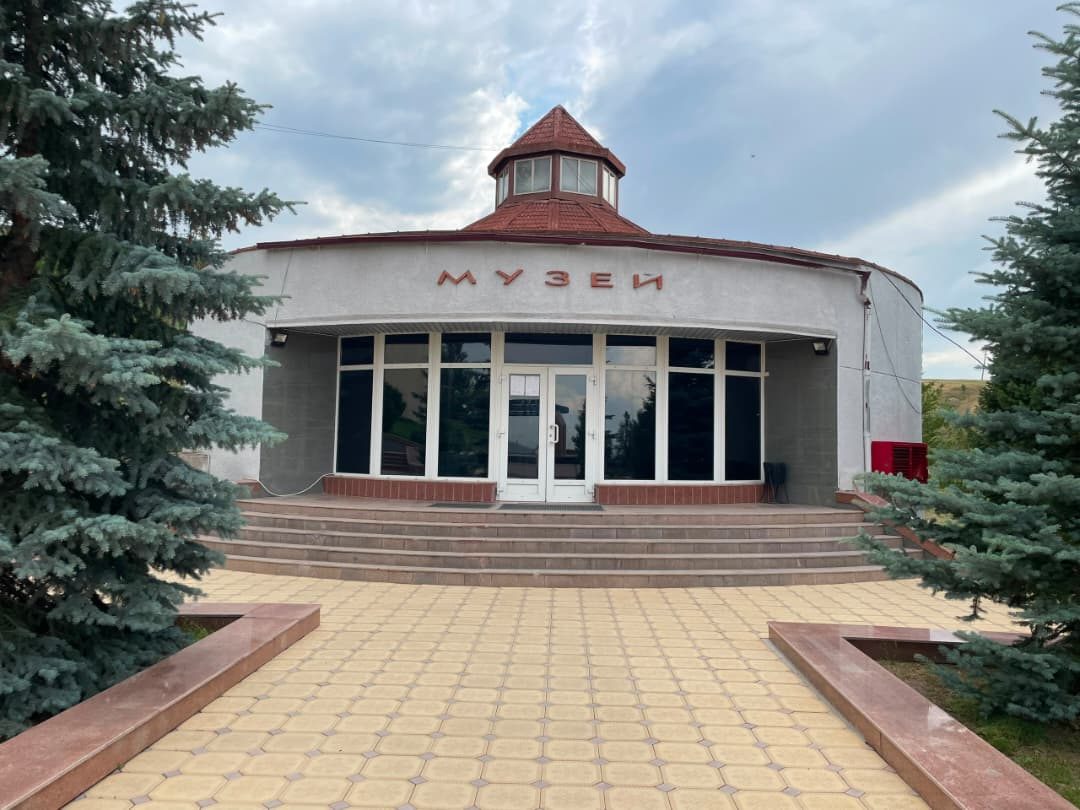
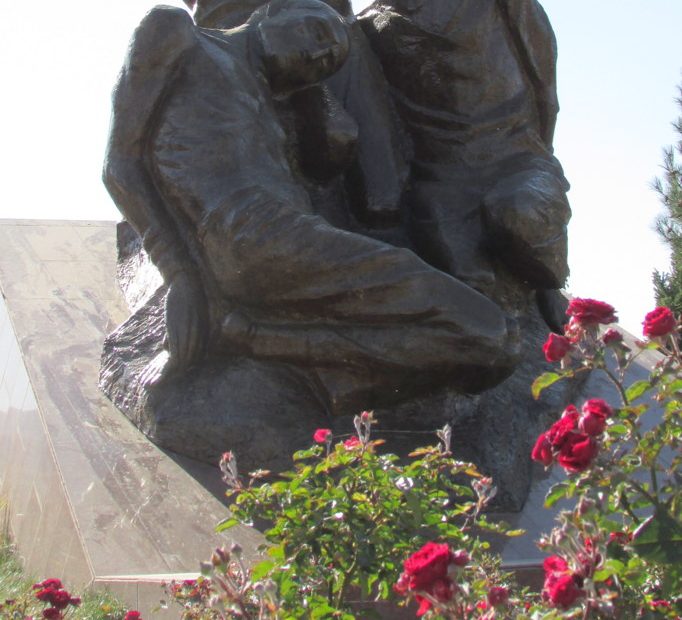
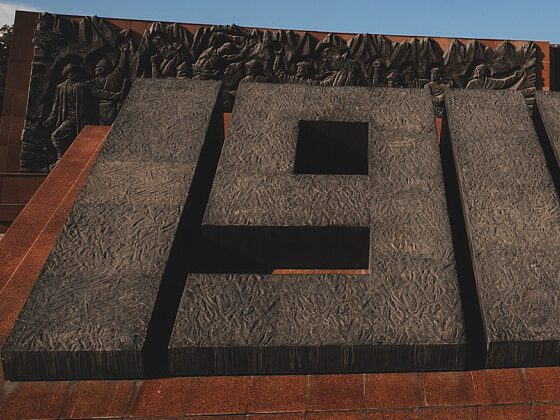
Restoration work under way at the complex
The Ministry of Culture, Information and Youth Policy reviewed the progress of restoration work at the Ata-Beyit complex.

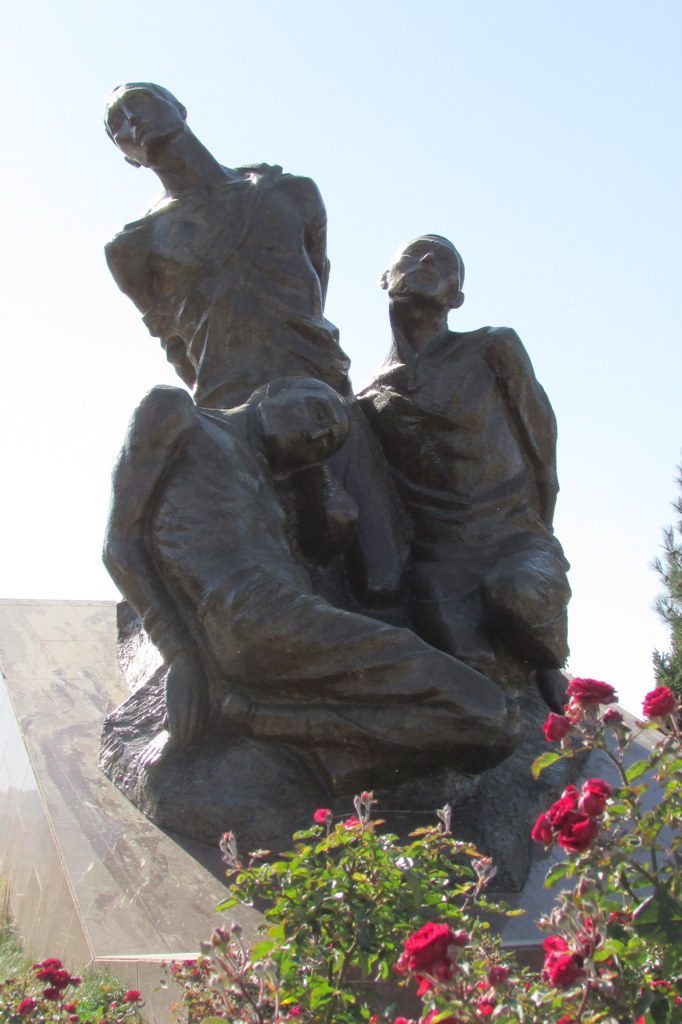
Monument to the victims of repression
Ata-Beyit National Historical and Memorial Complex
«Ак ийилет, бирок сынбайт»
The resting place of people of difficult destinies, who made history with their lives and their blood.
The place where those who served the Kyrgyz people across three eras are laid to rest.
Ata-Beyit is a state institution created to restore and preserve the historical memory of the main stages of Kyrgyz statehood.
The name Ata-Beyit, “the grave of our fathers”, was proposed by the great writer Chingiz Aitmatov.
AboutMemorials
The burial place of the victims of repression is the centre of the complex; the rest of the composition is built around it.
The resting place of 137 people executed in 1938, and the museum of repression.
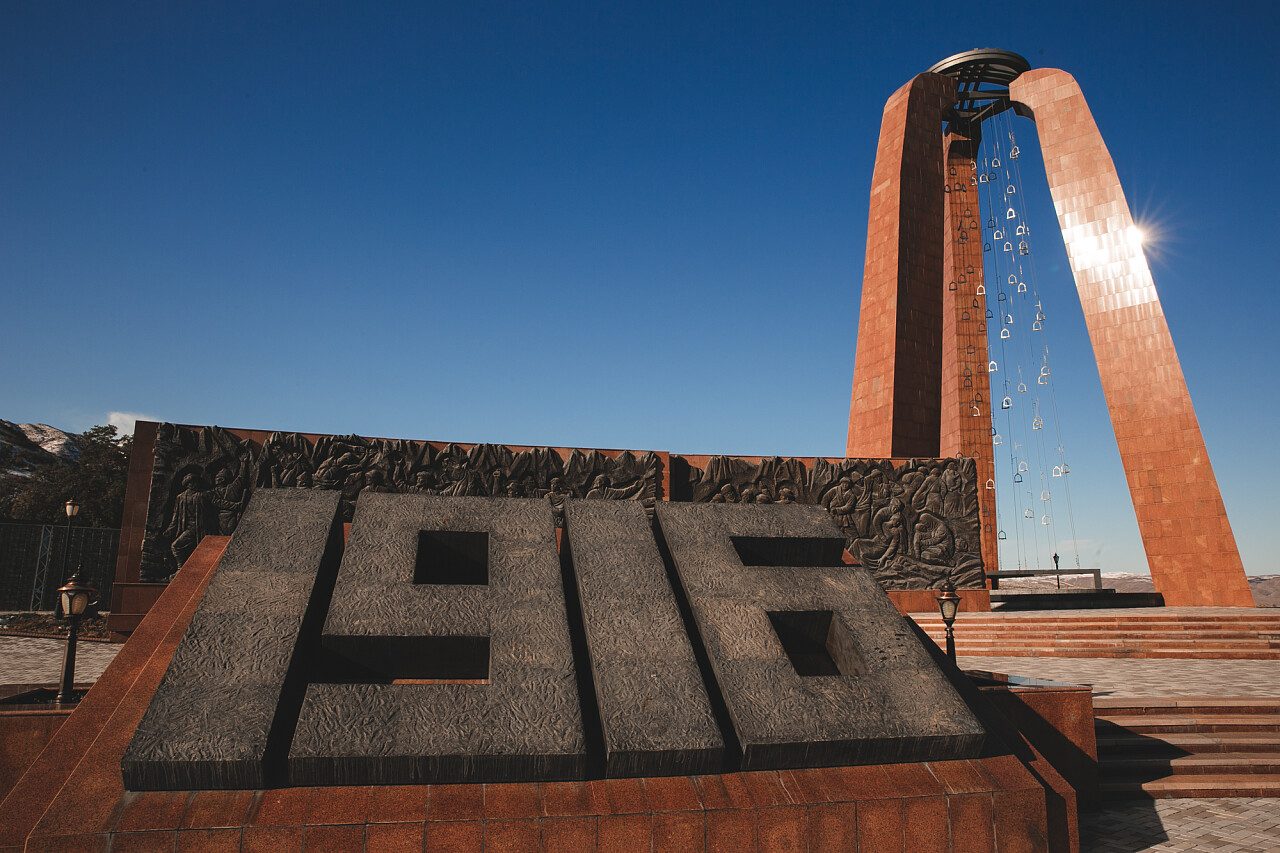
The memorial opened in 2016 for the centenary of the Great Ürkün.
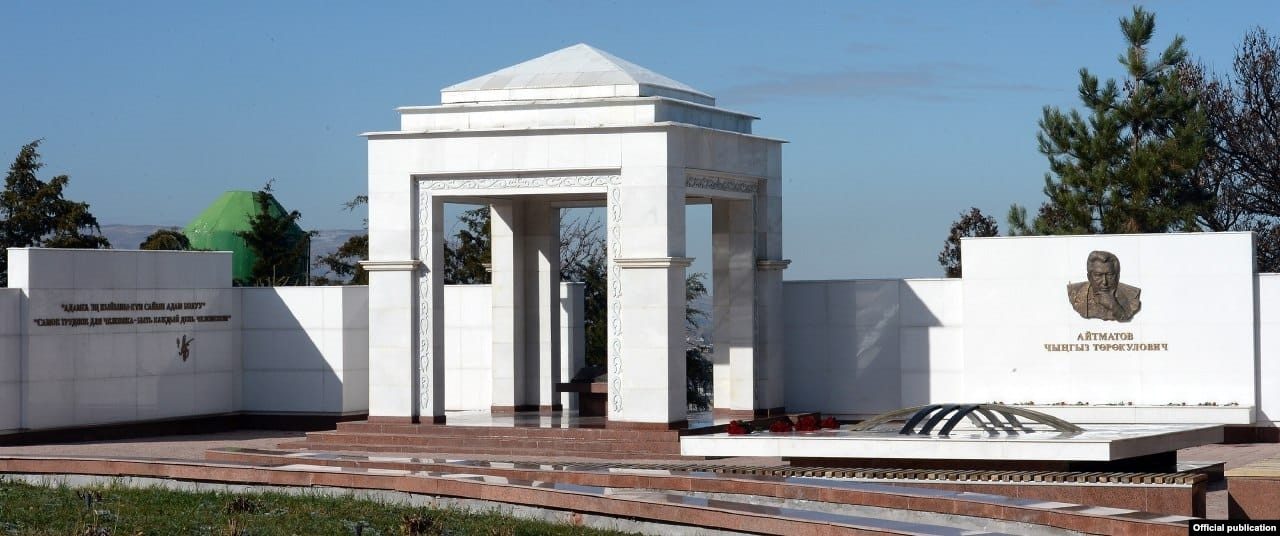
The great writer rests beside his father, Törökul.
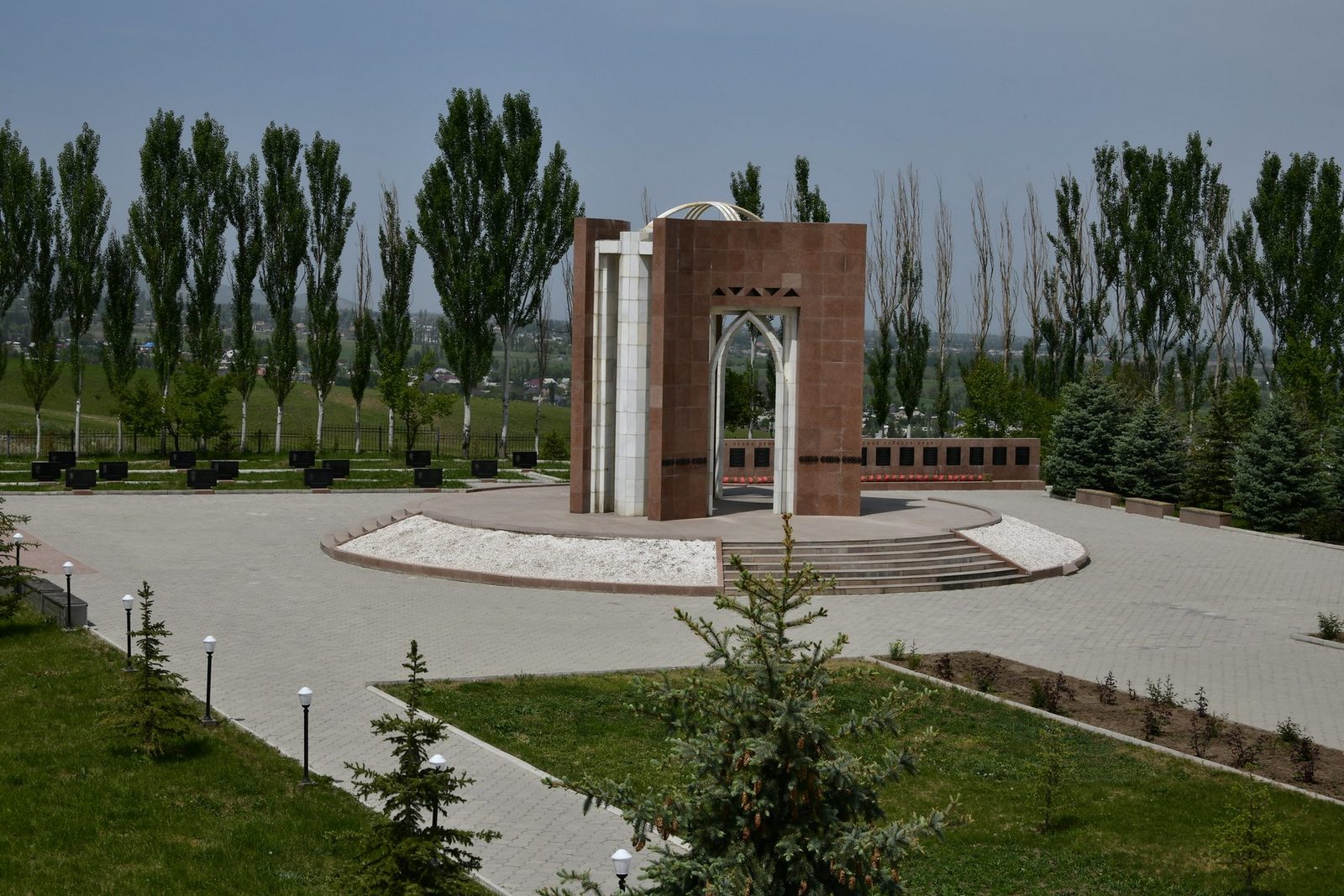
The memorial to the victims of the April 2010 events and the Taazim museum.
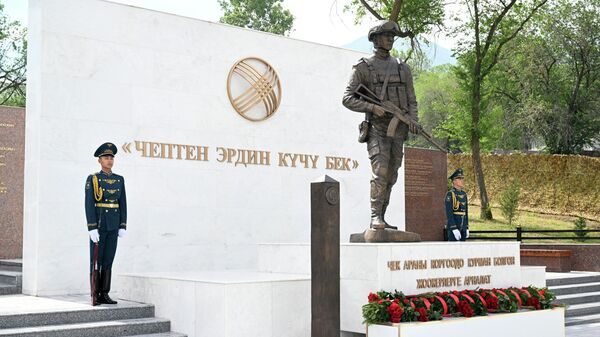
The memorial to the soldiers who fell defending the homeland.
Names · 1938
Executed at Chong-Tash in November 1938. Select a name to learn about the person.
Calendar of remembrance
State and public commemorations take place at the complex's memorials.
Remembrance of the victims of the April 2010 events
Border Guards Day: remembrance of those who fell defending the border
Remembrance of those killed in the 2022 border conflict
Days of History and Remembrance of Ancestors: victims of Ürkün and of repression
Chingiz Aitmatov's birthday
Visit
Details are being confirmed by the complex.
The Ministry of Culture, Information and Youth Policy reviewed the progress of restoration work at the Ata-Beyit complex.
On Border Guards Day a monument bearing the names of 59 servicemen killed since 2000 was unveiled.
Bübüyra Kydyralieva, who revealed the secret of Ata-Beyit, has died aged about 95. Her father's testament led to the discovery of the burial place of 137 people in 1991.