On this page
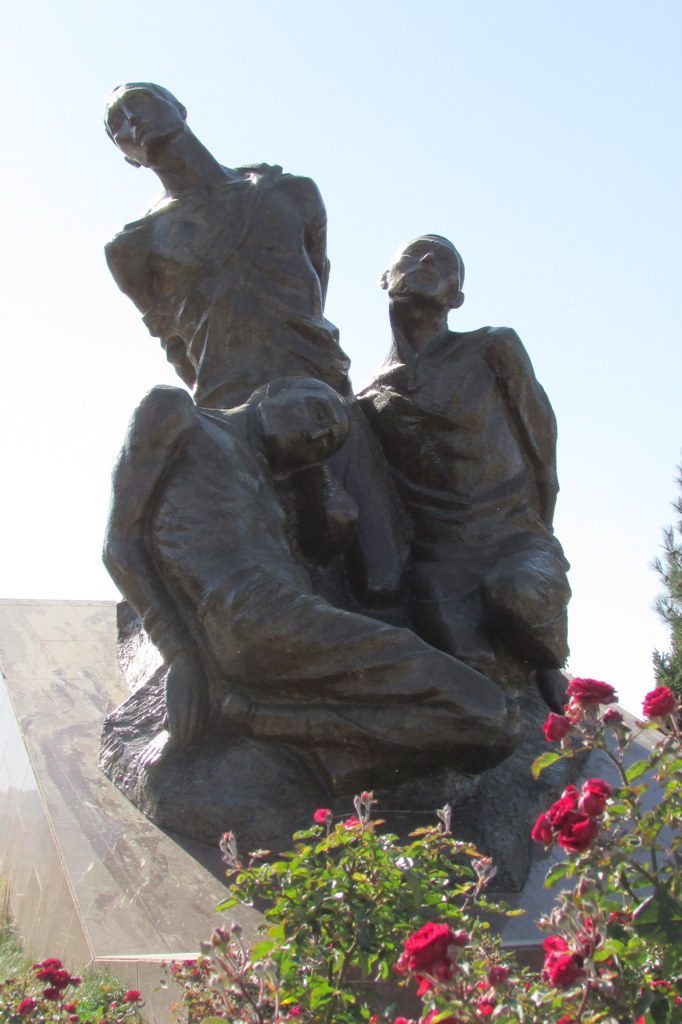
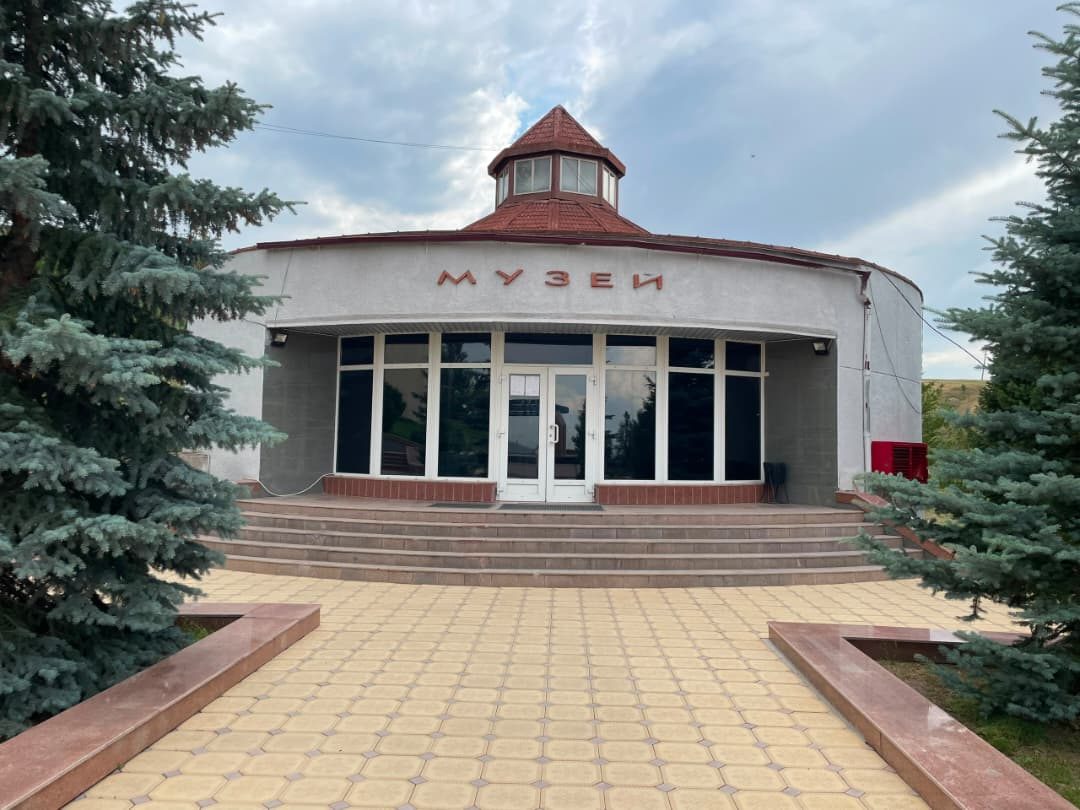
This museum primarily focuses on historical figures who laid the first foundations of the Kyrgyz Soviet state and were innocently persecuted and became victims of Stalinist repressions during 1937-38.
Repression and the Great Terror
Repression refers to punitive measures applied by state organs. Stalinist repressions refer to the mass political persecutions carried out in the USSR during the Stalinist period (1920-1953). Victims of the repressions were falsely accused of political (counter-revolutionary) crimes, sentenced to death, or exiled. In addition, researchers note that these repressions had significant negative consequences for Soviet society, particularly its demographics, with millions of people being exiled.
The Great Terror refers to the period of mass repressions and political persecutions in the USSR, particularly in 1937-1938. Stalin himself organized the campaign of mass terror, which severely harmed the economy and military strength of the Soviet Union. The ideological foundation for Stalinist repressions was laid by Stalin in July 1928 during a plenary meeting of the Central Committee of the All-Union Communist Party (Bolsheviks), where he introduced the concept of “intensifying class struggle as socialism is being built.” In reality, this gave the USSR’s punitive organs the task of eliminating “enemies of the people.”
In accordance with NKVD Order No. 00447, 681,692 people were executed during 1937-1938. Overall, 1,372,382 people were arrested on political grounds in the USSR. Those executed for political reasons accounted for 85% of all executions during the Stalinist period from 1921 to 1953 (799,455 in total).
Repression in Kyrgyzstan
During this period, repression in Kyrgyzstan also took on a mass character, reaching its peak and causing great harm to the social and political development of the country. Incomplete data from the years of Stalin’s totalitarian regime suggest that around 20,000 people were repressed in Kyrgyzstan. More than 3,000 innocent people of various nationalities were executed without trial or investigation.
The secret of Ata-Beyit
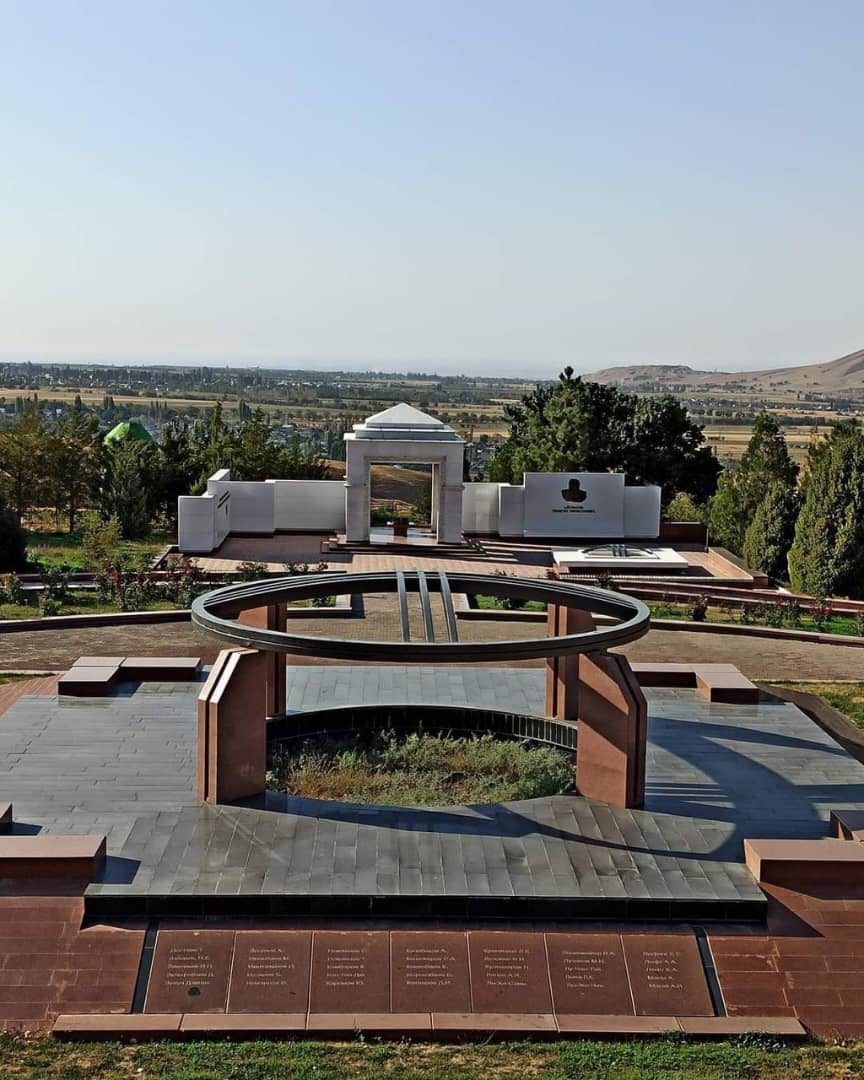
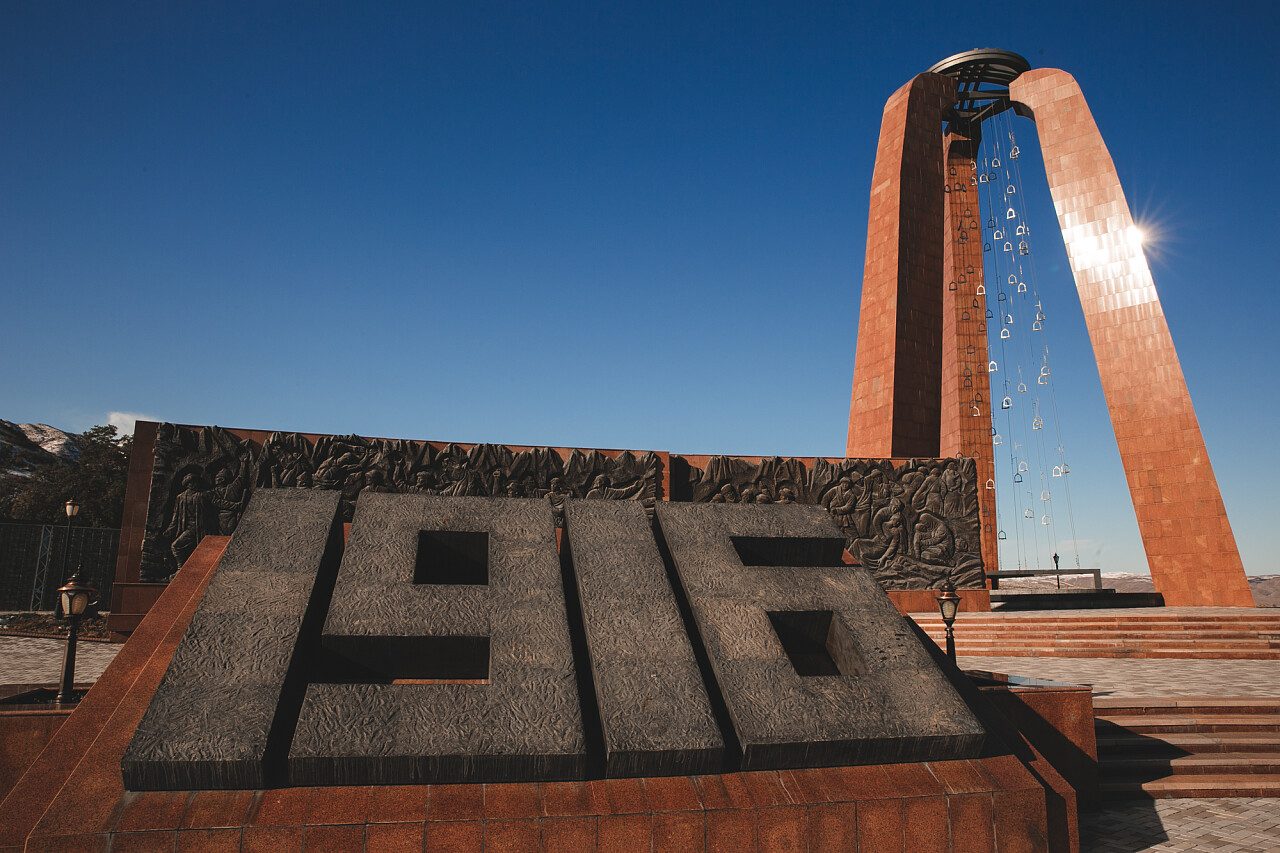
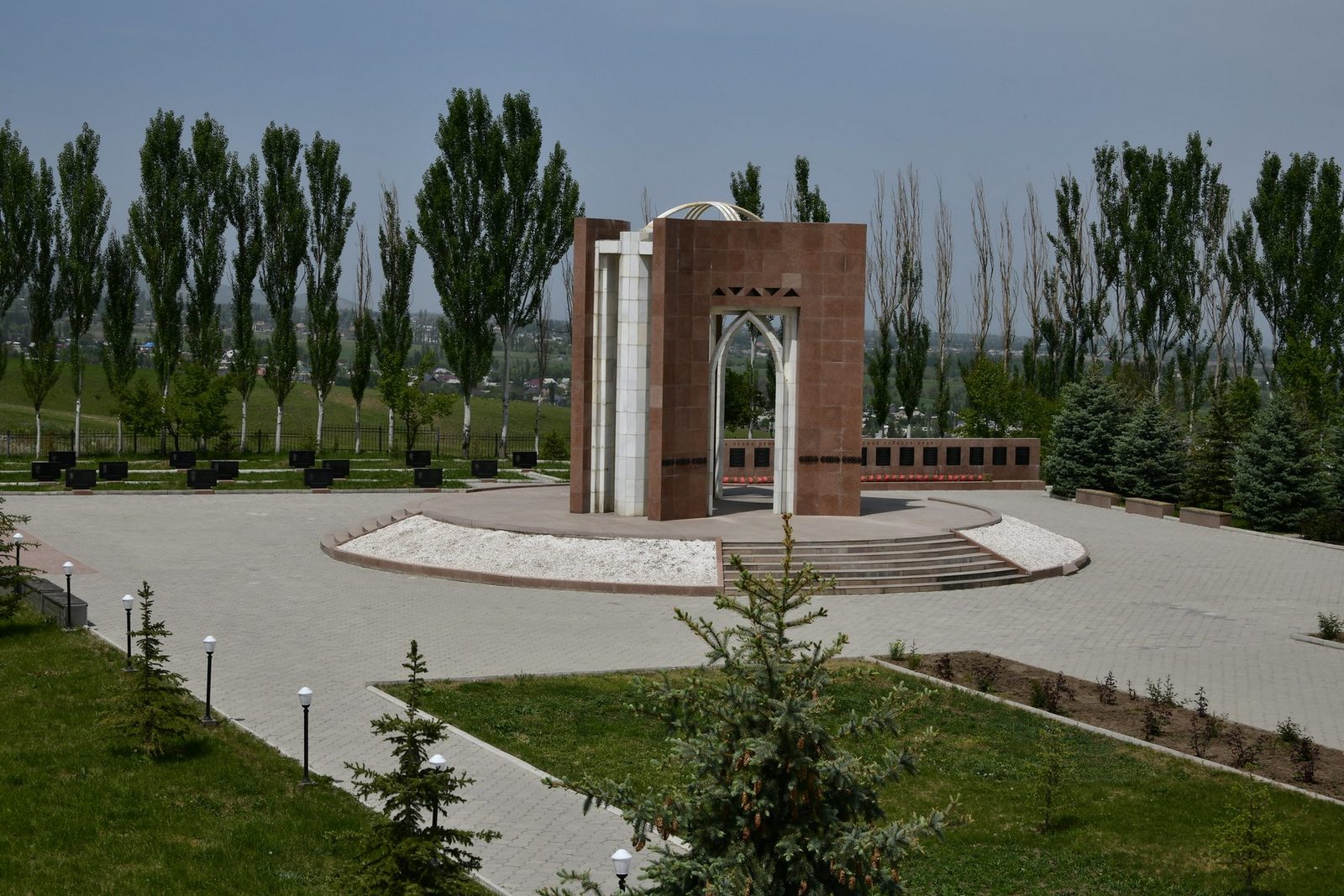
Ata-Beyit, one of the CIS countries' most notable burial sites for victims of repression, was discovered and documented with substantial evidence. According to many historians, nearly 40,000 people from Kyrgyzstan were victims of Stalinist repression in 1937-38. However, research by Bolot Abdrakhmanov, based on verified archival data, puts the total number of repressed individuals at around 18,000, though further clarification is still needed.
In 1991, the burial site of 137 people executed in 1938 for being “nationalist enemies of the people” was discovered. Bubbuiira Kydyralieva kept her father’s last wish secret for half a century, and after Kyrgyzstan gained independence, she revealed the secret of Ata-Beyit to the relevant authorities.
“My father, when he was ill, remembered the old story and specifically told me this as his will. He knew he was about to pass away. ‘Daughter, on the hill where that foul smell comes from and where a glow can be seen at night, the cream of the Kyrgyz nation is buried. If a better time comes, tell this, daughter. Their relatives must be grieving,’ my father said,” recalls Bubbuiira. When they dug the site, they found the first skull at a depth of just 30-40 cm. The most convincing evidence was the “Notice of Execution Sentence” found during the excavation.
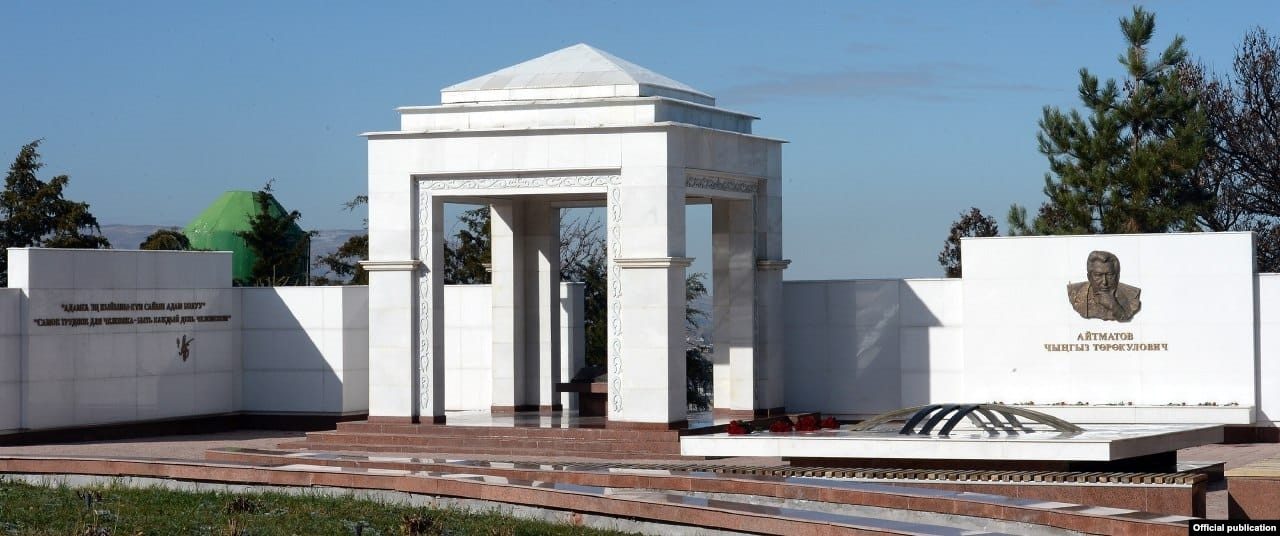
The remains were reburied, and the place was named Ata-Beyit. Among the discovered remains was the father of the famous writer Chingiz Aitmatov, Törökul Aitmatov. It was the writer who suggested the name “Ata-Beyit.”
“The remains of the executed were thrown haphazardly on top of each other. The bullet holes in the skulls were the first piece of evidence,” said Dr. Bolot Abdrakhmanov, Doctor of Historical Sciences and honorary colonel of the National Security Committee, who led the excavation of the 137 bodies.
Historians suggest that there may be dozens of similar undiscovered sites across Kyrgyzstan, requiring further excavation, identification, and research.
Statesmen buried here
Ata-Beyit holds the remains of many figures who laid the foundations of Kyrgyz Soviet statehood, including:
Imanaly Aidarbekov
Political and public figure, Chairman of the Revolutionary Committee of the Kara-Kyrgyz Autonomous Region and Chairman of the Supreme Court of the Kyrgyz ASSR.
Read moreJusup Abdrakhmanov
Soviet state and political figure, the first Chairman of the Council of People’s Commissars of the Kyrgyz ASSR.
Read moreTörökul Aitmatov
Political and state figure, second secretary of the Central Committee of the Communist Party of Kyrgyzstan, People’s Commissar of Trade of the Kyrgyz ASSR.
Read moreBayaly Isakeev
Soviet state and party figure, Chairman of the Council of People’s Commissars of the Kyrgyz ASSR.
Read moreOsmonkul Aliyev
One of the first educators in Kyrgyzstan, journalist, state and political figure.
Read moreKasym Tynystanov
Founder of Kyrgyz linguistics, poet, playwright, educator, public figure, journalist, and the first Kyrgyz professor.
Read moreMurad Salikhov
Soviet state and party figure, Chairman of the Council of People’s Commissars of the Kyrgyz ASSR (1937) and Chairman of the Central Executive Committee of the Kyrgyz SSR (1938).
Read moreErkinbek Esenamanov
Soviet and party figure, People’s Commissar of Land for the Kyrgyz ASSR (1937).
Read moreThese individuals played a crucial role in the early political and economic development of the country and in the eradication of widespread illiteracy. Among the 137 people found at Ata-Beyit, 19 nationalities were represented, including 45 Kyrgyz, with the remainder belonging to various other ethnic groups.
Names of the executed
- Abdraimov Abdukadyr
- Abdrakhmanov Abdray
- Abdrakhmanov Yusup
- Abdulaev Garif
- Aidarbekov Imanaly
- Aipov Yakub Akhun
- Aitmatov Tyuryakul
- Akhmet Akhunov Baki Akhun
- Akhmetov Mamadjan
- Akimov Azim Akhun
- Alimov Aziz Akhmetzhanovich
- Aliyev Ibraim
- Aliyev Osmonkul
- Andres Sergey Mikhailovich
- Azizov Akhmet
- Bakiev Mamut Akhun
- Baybasunov Isa
- Baybasunov Sartbai
- Beloshitsky Boris Vasilyevich
- Belousov Ivan Zakharovich
- Bengard Fedor Egorovich
- Bergman Pyotr Yulievich
- Borovoi Ivan Grigoryevich
- Bulatov Abdrakhman
- Bulatov Yusup Iskhakovich
- Chalov Samat
- Chepizubov Pyotr Pavlovich
- Chingiziev Alibai
- Chonbashev Sydyk
- Chormakov Akhmatbek
- Churukov Alakhun
- Deis Friedrich Gotfriedovich
- Djamansariyev Asanbai
- Dostaev Toktosun
- Dzhavgoshpaev Umuraly
- Dzhienbaev Khasan
- Esenamanov Erkinbek
- Esenamanov Tagai
- Goltsev Pyotr Nikolaevich
- Gorbachevsky Vladislav Yulianovich
- Imanbaev Mukash
- Imin Akhunov Ismet
- Isakeev Bayaly
- Ismailov Ibraim Akhun
- Ismailov Sakmambet
- Ismailov Tokhta Akhun
- Jumayev Omor
- Kachibekov Abdulla
- Kambarov Kurman
- Kan-Tai-Du
- Karimov Yusup
- Kashevarov Sergey Afanasyevich
- Kenenbaev Kerim
- Khodzhanov Mamet
- Khodzhimamabaev Sabit
- Khudaiberdiev Ibraim
- Khunlava Kharti
- Kirgizbaev Bakirdin
- Kotlyarov Daniil Ivanovich
- Krenitsky Ludwig Kazimirovich
- Kulnazarov Nurkul
- Kuzmin Iosif Ivanovich
- Lepin Artur Yanovich
- Li-Kha Sami
- Lizenmayer Vladimir Avgustovich
- Lu-Chan-Toy
- Luzanov Mikhail Nikolaevich
- Lvov Pavel Konstantinovich
- Ly-Zhe-Chin
- Lyufing Yegor Emelyanovich
- Lyuft Aleksandr Aleksandrovich
- Lyuft Konstantin Aleksandrovich
- Magai Andrey Innokentievich
- Magaz Arzy
- Mametov Akhmet
- Mamoyarov Kadyr
- Meldenberger Iosif Ivanovich
- Miller Teodor Teodorovich
- Mukhamedov Ashim
- Muldogaziev Akimkhan
- Murabedinov Idayit-Akhun
- Musabaev Ashur Akhun
- Nasyrov Bakhtin
- Nasyrov Mailyakuli
- Nur Akhunov Kurman Akhun
- Nurdinov Gapirdzhan
- Nurmatov Kerim
- Omurkulov Dzhobek
- Oshurov Ait Akhun
- Polinkash Andrei Ambrosovich
- Prokhorov Grigorii Antonovich
- Richter Mikhail Eduardovich
- Sagynbaev Kasym
- Sakenov Niyazaly
- Salikhov Murat
- Sarbanov Chengish
- Serkibaev Nurdin
- Shabdanbekov Umuraly
- Shafikov Shakir Galimovich
- Shamurzin Sultankul
- Sharipov Sadyk
- Shevelev Aleksandr Ivanovich
- Shorukov Kozhokan
- Skalitsky Iosif Frantsevich
- Sufiev (Sopiev) Imin
- Suleimanov Chekush
- Sultanbekov Yeshbai
- Talipov Yusup
- Taranchenko Grigorii Filippovich
- Tarkovsky Biakai Adzilovich
- Tasha-Akhunov Yusup Akhun
- Tokhtakhunov Ismail Akhun
- Toktaev Bakry
- Toktaev Sydyk
- Toktosunov Musa
- Turdakhunov Tokhta-Akhun
- Turdiev Imin Akhun
- Turdy-Akhunov Akhmat Akhun
- Tynystanov Kasym
- Usmanov Usain
- Vall Wilhelm Davydovich
- Van-Lin-Van
- Van-Zi-Van-Chan-Lin
- Yanishyevsky Aleksandr Nikolaevich
- Yantzen Heinrich Heinrichovich
- Yatskovsky Bronislav Stefanovich
- Yuldashev Karimdzhan
- Yun-San-Sin
- Yurchev Boris Emelyanovich
- Yusup Akhunov Sadyk Akhun
- Yusupov Abdulla
- Yusupov Sharip Akhun
- Zeidel Notta Yankelevich
- Zinoviev Yakov Pavlovich
- Zulfibaev Dali
- Zunun Davlet
- Zununov Khasan Akhun
- Unknown woman
The victims ranged from 16-year-old youths to 80-year-old elders. Among them were party and government leaders, highly educated specialists, commanders, scientists, as well as ordinary workers, farmers, illiterate peasants, and small traders. An important characteristic of the repressed was their diverse national composition: representatives of 55 nationalities were among those persecuted.
According to the ten-volume book "Victims of Political Repression in Kyrgyzstan (1920-1953)," 17,134 people were repressed during this period in Kyrgyzstan.
The Letter of the Thirty
The museum also provides information on political and social figures who became victims of repression between the 1920s and 1950s:
In the 1920s, the socio-economic situation in the autonomous region was challenging. Following the 1916 uprising, many problems persisted, and the economy was struggling. Political tension was exacerbated by internal divisions among the leadership and conflicts within the intelligentsia. During this time, a group of officials addressed these issues in a letter to the central government.
The letter was written by 30 officials working in the executive branch of the autonomous region, including prominent Kyrgyz figures such as Abdykerim Sydykov, Ishenaly Arabaev, Imanaly Aidarbekov, and Abdykadyrov Orozbekov. Additionally, leaders from law enforcement, healthcare, and agriculture also signed the letter. Initially, the letter had 31 signatories, but the deputy chairman of the Pishpek district executive committee, Bakas Muratov, later withdrew his support, reducing the number to 30. The letter highlighted unequal land distribution and the overall economic struggles in the region. The writers called for urgent attention to these issues and stated that if the situation did not improve, they would resign from their positions.
After the letter reached the intended authorities, Mikhail Kamensky, the first secretary of the Executive Committee of the Kara-Kyrgyz Autonomous Region, voluntarily resigned. Those who signed the letter were dismissed from their jobs, and their families were subjected to thorough scrutiny. Within a year, Kyrgyzstan was granted the status of an autonomous republic.
Repression of women
Both men and women fell victim to the political repressions of the 1920s to 1950s. On August 15, 1937, the NKVD issued Order No. 00486, which targeted the wives of traitors, labeling them as first and second-category traitors. Under this order, the military tribunals and courts sentenced them to punishment. By 1942, many family members of accused traitors were sentenced, following Directive No. 252 issued by the NKVD and the Prosecutor's Office of the USSR. According to NKVD Order No. 00486, the wives of repressed leaders and families of those who defected during World War II were targeted. Across the USSR, there were over 428 GULAG camps, four of which were designated for women: Temlyakovsky in Russia, Temnikovsky in Mordovia, ALZhIR in Kazakhstan, and the Zhan-Zher camp located about 100 kilometers from Bishkek, Kyrgyzstan.
According to archival data in the book "Victims of Political Repression in Kyrgyzstan (1920-1953)," approximately 700 women were repressed, with 34 sentenced to the highest form of punishment.
Repression of military personnel
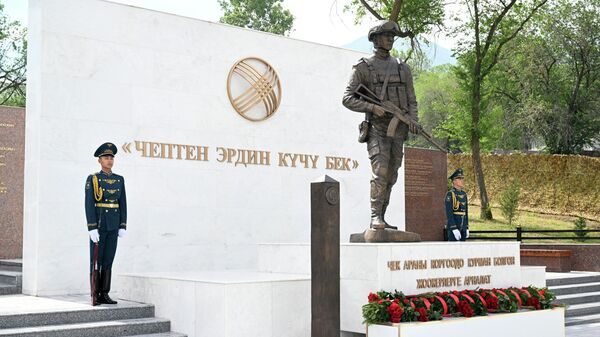
The armed forces were also subjected to repression. In Kyrgyzstan, military repressions began in the second half of 1936, peaking after Marshal Tukhachevsky and seven other high-ranking officers were arrested and executed in May-June 1937. Repression of military personnel reached its height in 1937-1938 and sharply declined by 1939-1941. Dozens of commanders and soldiers of the Kyrgyz Red Army fell victim to false accusations and illegal acts. The primary focus of the repression was the commanding ranks. Many military personnel in Kyrgyzstan, including 44 high-ranking officers, were accused of being part of the "Social-Turan Party" and were repressed.
According to the book "Victims of Political Repression in Kyrgyzstan (1920-1953)," 593 military personnel were repressed in Kyrgyzstan. The repressive policy against military leadership severely damaged the military structures in the region. NKVD officers themselves became targets of the repression, with over 20,000 officers across the USSR falling victim. In Kyrgyzstan, 284 law enforcement officers, including 125 NKVD personnel, were repressed.
The critical duty of modern society is to ensure historical justice, learn the right lessons from the past, and never forget the names of our citizens who were politically repressed. Today, many victims of Stalinist repressions have been rehabilitated, and their good names restored. A new phase of the rehabilitation process is still ahead.