On this page
Even during his lifetime, Chingiz Aitmatov became a quoted classic of world literature. He wrote in Russian and Kyrgyz, his works were translated into more than 150 languages. Realistic prose of the writer, permeated with the ideas of humanism and great love for all living things: people, wild and domestic animals, plants and the entire planet Earth.
People's Writer of Kyrgyzstan and Kazakhstan. Winner of the Lenin Prize and three State Prizes of the USSR, the European literary and the Jawaharlal Nehru International Prize. In 2007 he received the highest award of the Turkish government for his contribution to the development of culture of Turkic-speaking countries. In the spring of 2008, Turkey began the process of nominating a writer for the Nobel Prize, but the writer passed away same year.
Life
Chingiz Torekulovich Aitmatov was born on December 12, 1928 in the family of communists Torekul Aitmatov and Nagima Khamzievna Aitmatova (maiden- Abduvalieva) in the village of Sheker of Kara-Buurinsky (Kirovsky) district of the Talas Province of the Kirghiz ASSR. After the birth of Chingiz,his family moved to the city, since 1929, Torekul Aitmatov’s career has been rapidlyrising.
In 1933 he was already the second secretary of the Kyrgyz Regional Committee of the CPSU. In 1935, the young leader became a student at the Institute of the Red Professorship in Moscow, the family also moved to the capital of the USSR, Moscow. During this time, Nagima gave birth Ilgiz, twins Reva and Lucija (Reva died in infancy) and daughter Rosa. In 1937, at the insistence of her husband, Nagima Khamzievna transported the children to relatives in Sheker.
The father of the future writer was arrested in September 1937 on suspicion of anti-Soviet nationalist activities and proceeded to Frunze (the capital of Soviet Kyrgyzstan). November 5, 1938 shot.
During the Second World War, all adult men mobilized, and fourteen-year-old Chingiz turned out to be one of the most literate in the village and occupied the post of secretary of the village council.
After the war, the young man was able to continue his studies: after a rural eight-year-old, he graduated with honors from the Dzhambul zoo-technical college and in 1948 entered the Kyrgyz Agricultural Institute in Frunze.
Works
The creative activity of the writer he began on April 6, 1952, with the story “Newsboy Judo” published in the newspaper “Komsomolets of Kyrgyzstan”. The first artistic text Aitmatov wrote in Russian. After graduating from the institute in 1953, Chingiz Aitmatov, a senior livestock technician at the Kyrgyz Research Institute of Livestock, continued to write stories in Russian and Kyrgyz languages, publishing texts in local newspapers and journals.
In 1956 he decided to improve his writing skills and went to Moscow, where he entered the Higher Literary Courses. In parallel with his studies he constantly wrote. Already in June 1957, the magazine Ala-Too published the first story of the young writer “Face to Face”. In the same year, “Jamila” was published - it is interesting that the story, which made the writer famous, was first published in French. He finished Literary Writing Coursesin 1958. By the time the diploma was received, two novels and short stories were published in Russian.
The first Aitmatov’s novel has been released only in 1980. In the novel “And the Day Lasts for More Than a Century”, realistic events of Buran Edigey’s life are interwoven with the fantastic line of contact between humanity and alien civilization. It seems that reaching an understanding with aliens is easier for people than agreeing with each other. For the second time, the writer returned to the science fiction genre in the mid-nineties, writing The Cassandra Mark, a story about creating artificial people. The rest of the works written in the genre of realism. In the Soviet Union, realism was socialist, but for socialist realism Aitmatov was too pessimistic. His characters live and suffer for real, without turning into vigorous builders of communism. The main character of the “White Ship” dies. A boy who believes in fairy tales when the Deer is killed. In general, folk tales and legends are an important part of the plots of Aitmatov books. Mythological characters are sometimes brighter than the main characters. From the legend of the harsh invaders who turned the captives into slaves, deprived of independence and memory, the word and the concept of “mankurt” migrated into Russian - a man who forgot his roots.
Aitmatov's second novel, “The Scaffold” is published in 1986. During this period, in the USSR, Mikhail Gorbachev began Perestroika, and it became possible to write about the problems of the country. But even against the background of permitted publicity, the “The Scaffold” produces a striking effect - the novel raises several pressing issues at once, talks about drug addiction and corruption, about the faith and the ministers of the church.
The writer admired the female beauty and deeply understood the female character. The evidence for this is reliably and vividly written out images of women in the books of Chingiz Aitmatov: the strong Jamila from the novel of the same name, the young romantic Asel (“The girl with a red scarf”), the wise Tolgonay, who lost her sons in the war, but retained the inner beauty of the soul (“Mother's field ").
Almost in every work there is that woman, from the appearance of which on the pages of the book it becomes brighter in the soul of the protagonist or reader. And in the life of the writer female beauty played an important role. With his first wife, Kerez Shamshibaeva, Chingiz met while studying at the agricultural institute. The girl studied at the medical institute and was also interested in literature. After school, a student Kerez even received a referral to the Moscow Literary Institute, but material circumstances did not allow her to leave. Kerez Shamshibaeva became an excellent doctor and leader, worked in the Ministry of Health of Kyrgyzstan. She gave birth to two sons. Sanjar Chingizovich was born in 1954, he is a journalist and a writer, a businessman. Askar Chingizovich was born in 1959, became an Oriental historian and public figure.
Chingiz Aitmatov also has a son Eldar and a daughter Shirin from his second marriage.
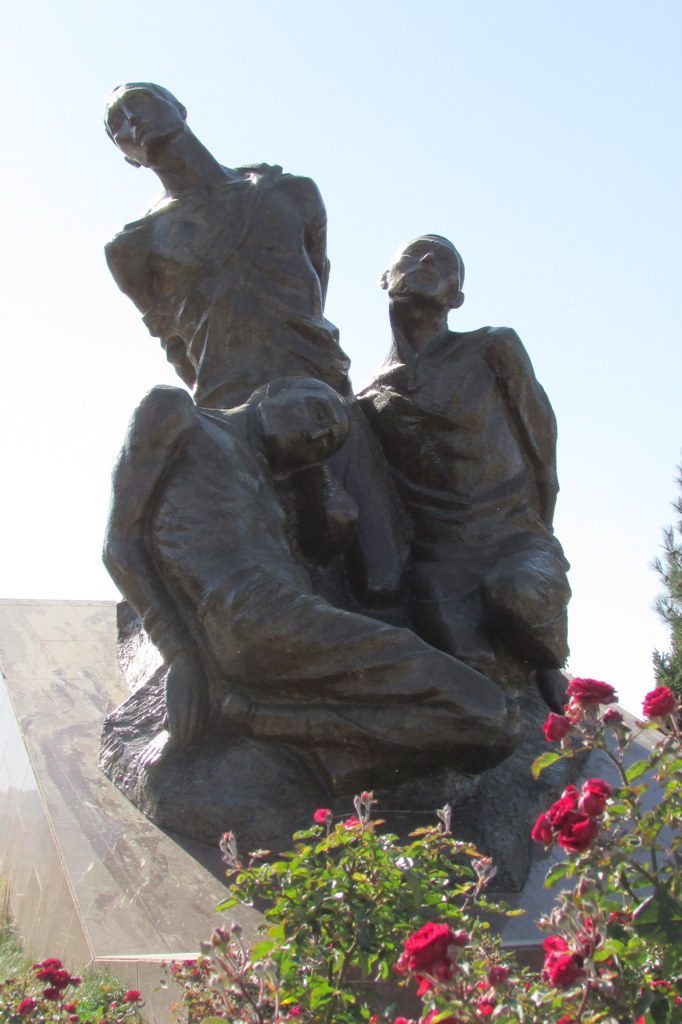
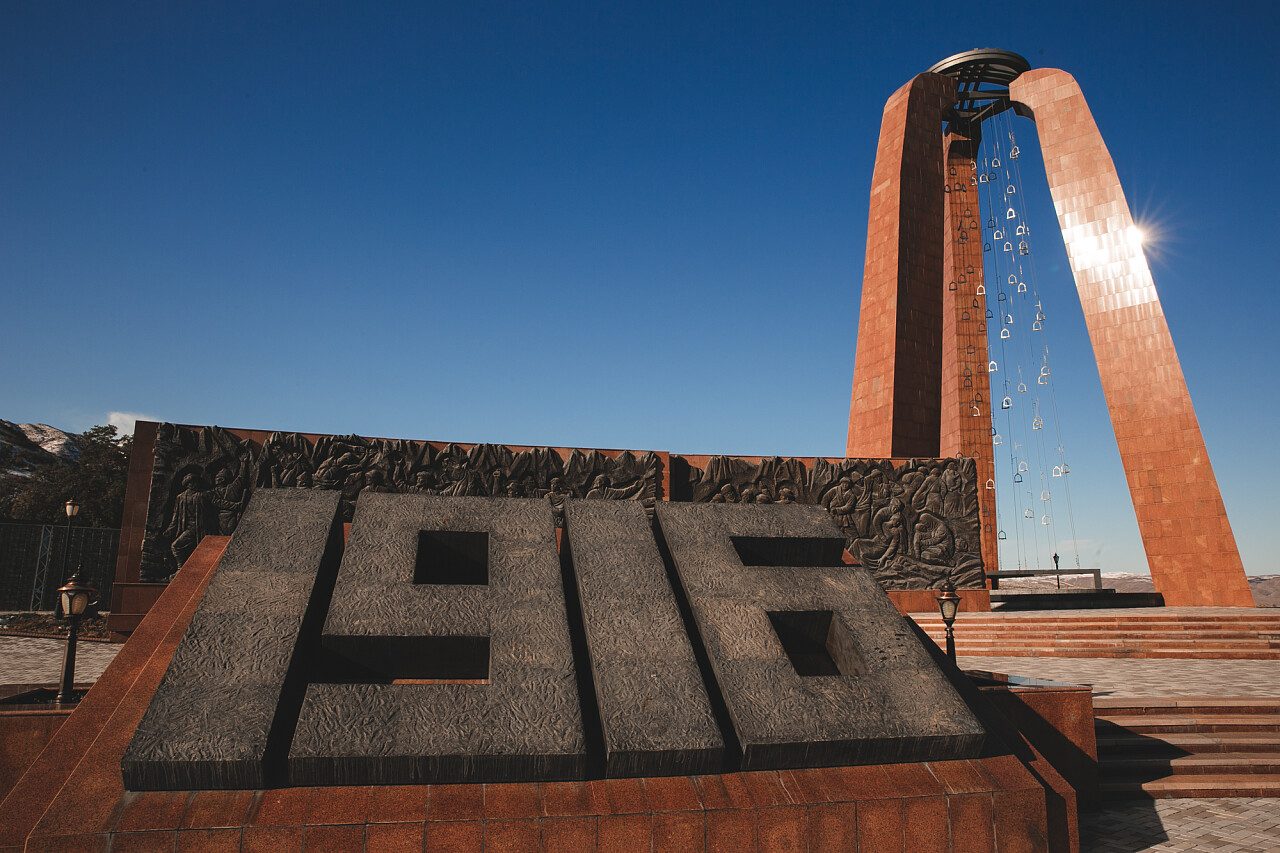
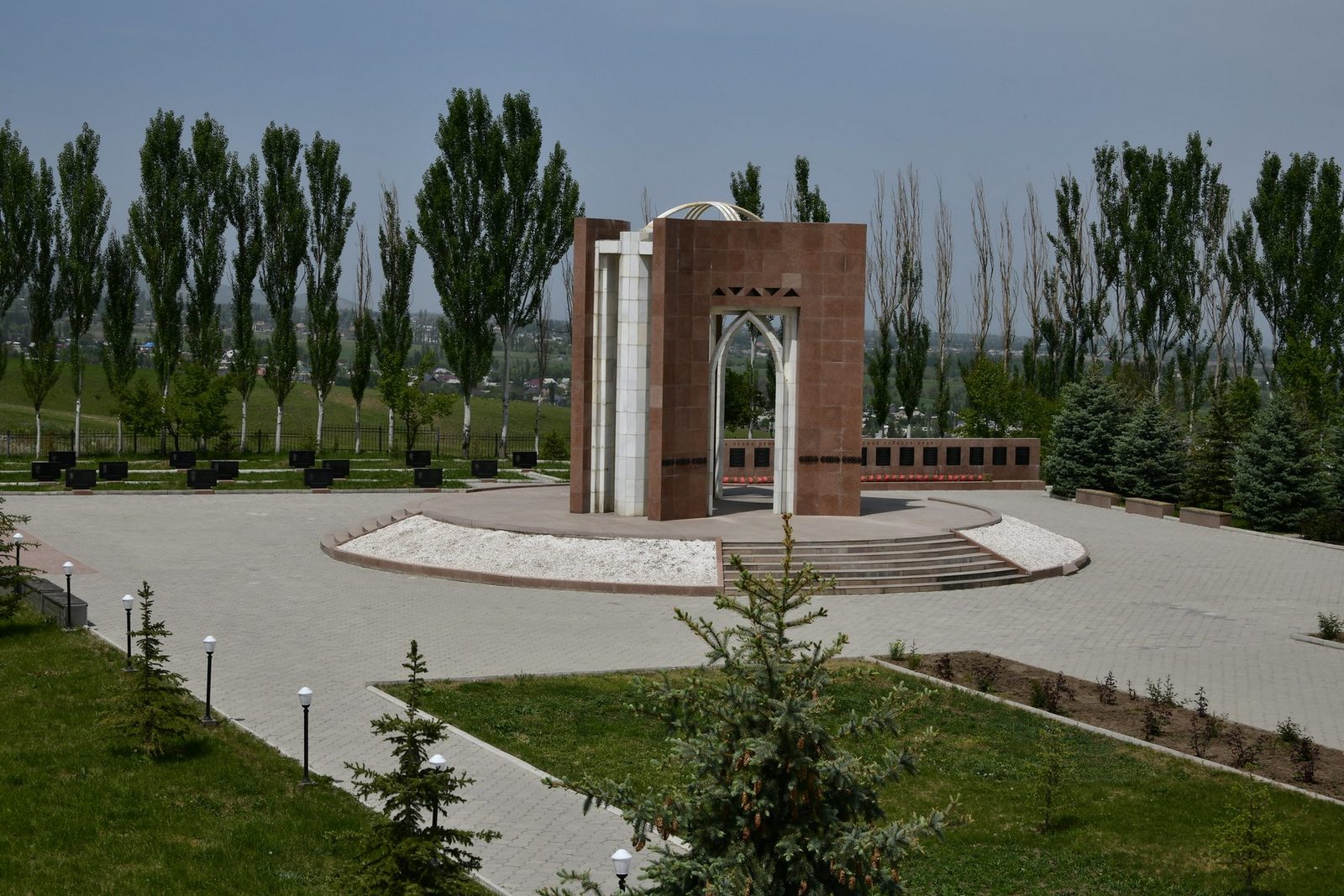
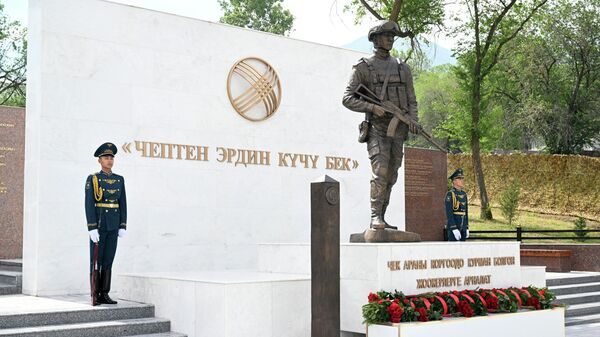
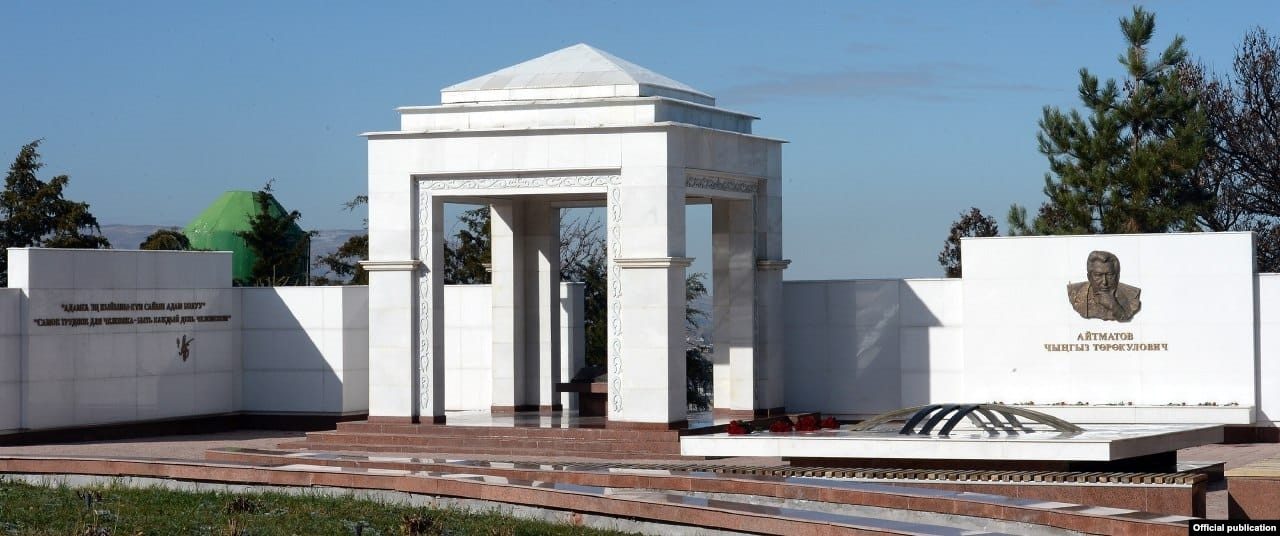
Eldar Chingizovich graduated from the Academy of Fine Arts in Belgium, he is a designer and artist, runs the museum of Aitmatov in Bishkek. In the last years of his life, Chingiz Aitmatov suffered from diabetes, which did not prevent him from leading an active life. In 2008, the writer at the eightieth year of his life went to Kazan to shoot the documentary film “And the Day Lasts for More than a Century”, which was filmed for the upcoming anniversary. On the site, the writer caught a cold, the cold turned into acute pneumonia, and infection got to his kidneys. On May 16, Aitmatov was transported to Germany for treatment, but the doctors could notsave the patient. On June 10, Chingiz Torekulovich died at the Nuremberg clinic, and on June 14, a solemn farewell and funeral of the classic of world literature took place. There were so many mourners that several people fell faint because of deep grief. Chingiz Aitmatov was buried in the Ata-Beyit cemetery inthe suburb of Bishkek. Next to the grave of his father, Chingiz, ahumanist who reflected on the past and the future, also wished to rest.
At Ata-Beyit
Chinghiz Aitmatov is buried alongside his father whose burial he spent a long time searching for. The monument to Chinghiz Aitmatov the writer was unveiled on December 12, 2013. The monument was designed by the art studio AKATA as well as sculptor Sadabek Ajiev and architect Ulan Beishenbiev.
This way Ata-Beyit became a significant place for both Kyrgyzstan people and for everyone who knows Chinghiz Aitmatov’s works.